Winter Solstice: Honouring the Return of Light
STONEHENGE, ENGLAND
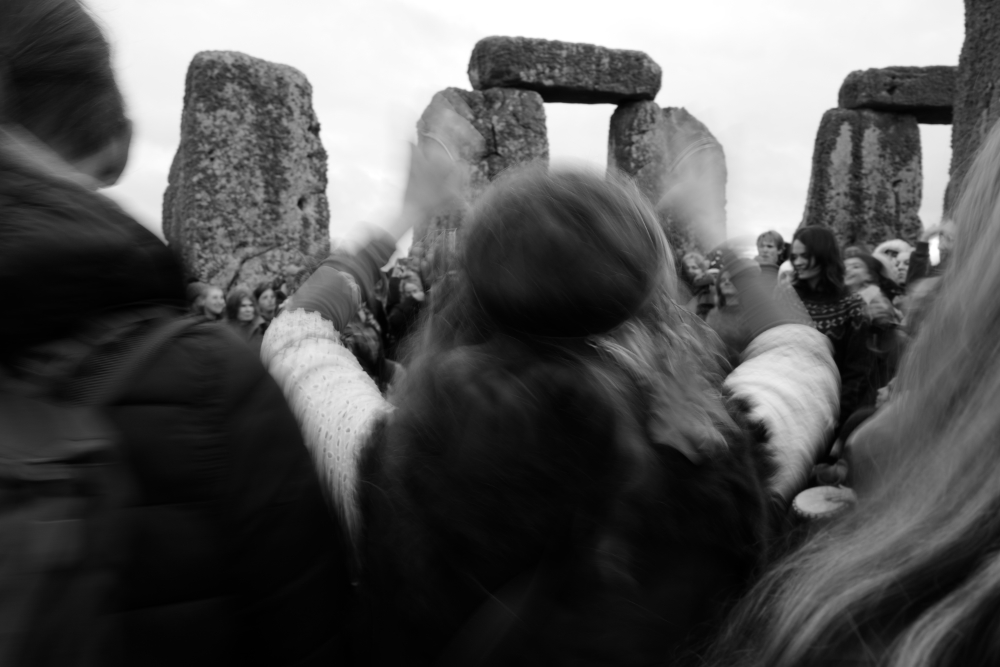
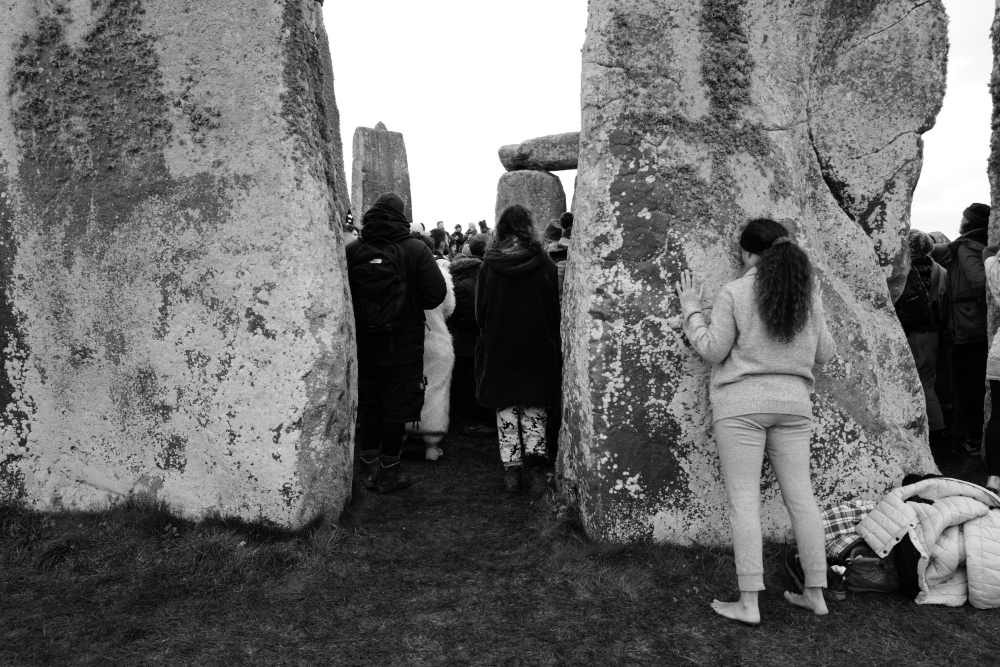
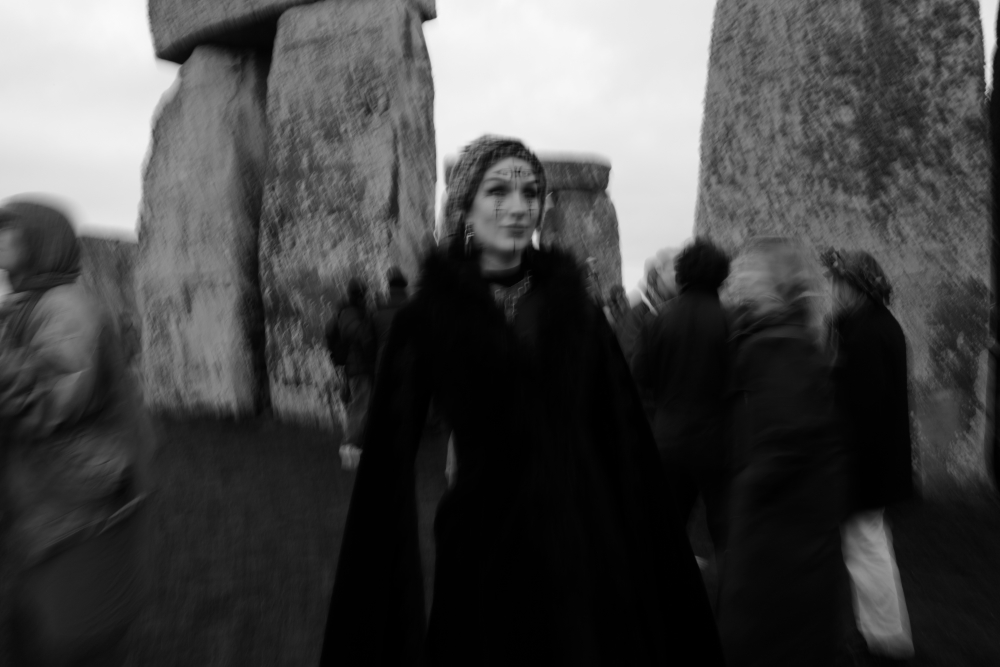
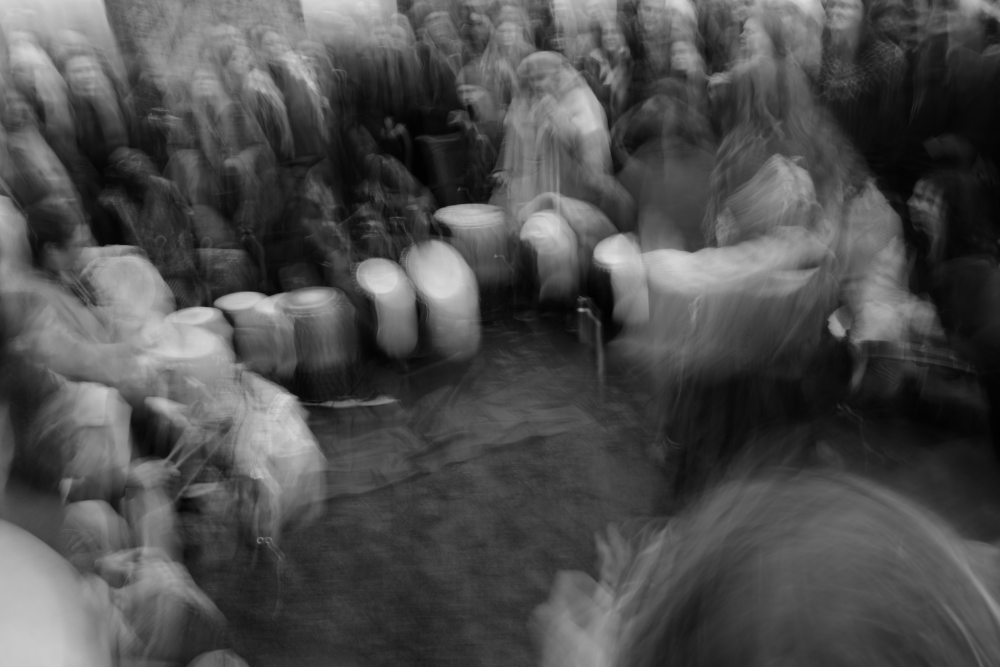
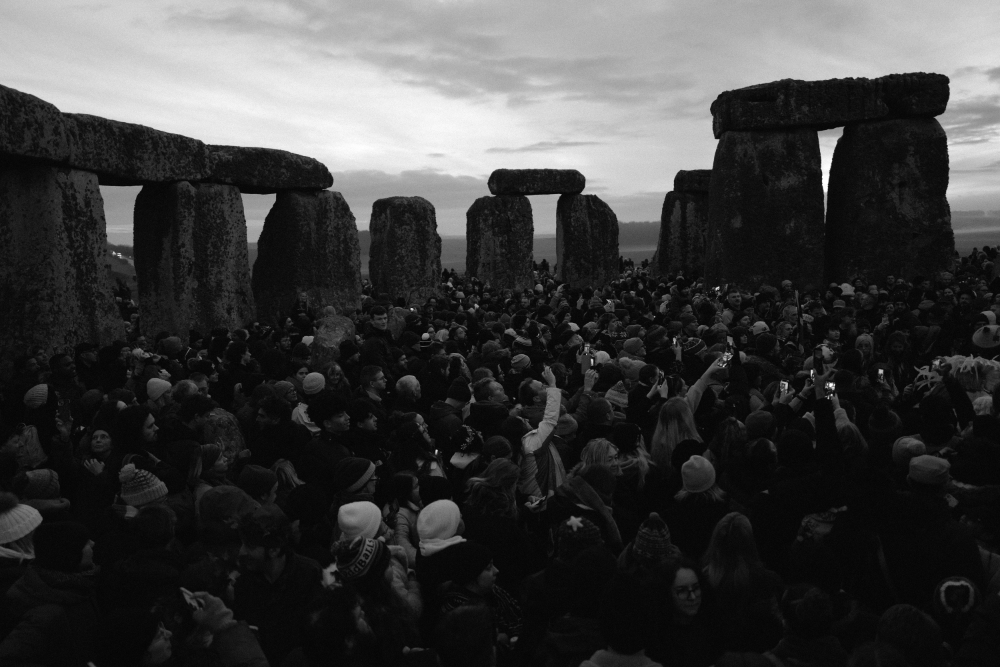
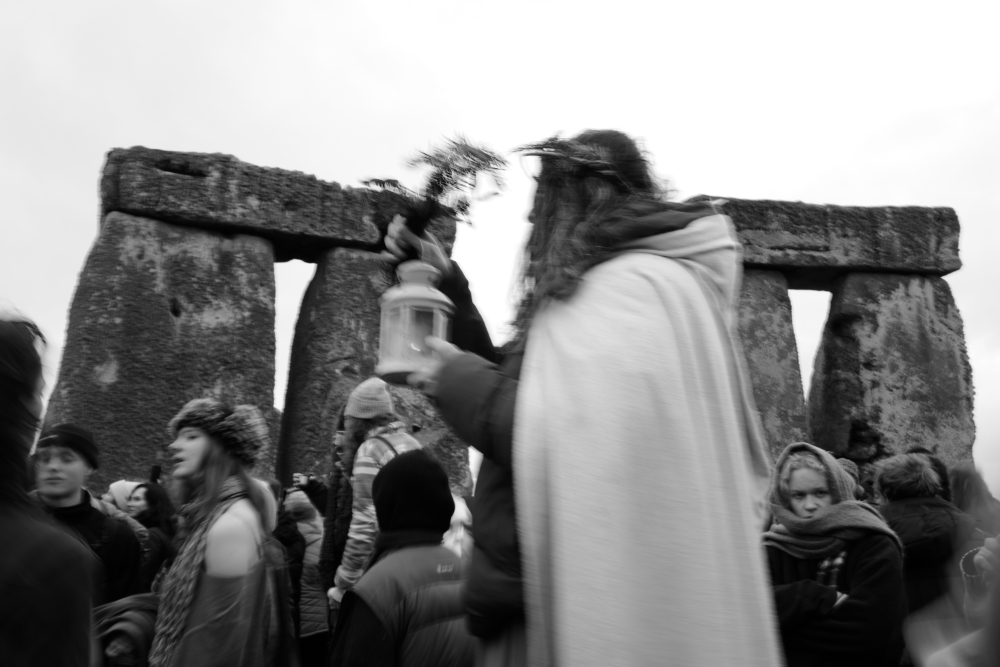
The winter solstice marks the point in the year when the Sun reaches its lowest path across the sky, bringing the shortest day and longest night. In the Northern Hemisphere this occurs around 21 December, after which daylight slowly begins to return. For thousands of years, this moment has symbolised a turning point, when darkness gives way to the promise of light.
For ancient societies, the solstice was essential for understanding the passage of time and the changing seasons. It guided agricultural cycles and offered reassurance that winter would not last forever. Stonehenge stands as one of the most powerful monuments connected to this event. The site is carefully aligned with the midwinter sunrise, suggesting that the winter solstice held deep importance for the people who built it. Archaeological evidence points to large gatherings at this time, likely involving ritual, feasting, and communal celebration focused on renewal and survival.
Across the ancient world, the winter solstice carried similar meanings, symbolising renewal, hope, and the return of light. In Neolithic Britain it represented the promise of life returning to the land, while the Romans marked the season with Saturnalia, a festival of feasting and social reversal. In Norse traditions, Yule honoured the rebirth of the sun, a legacy that continues in many modern Christmas customs. Across cultures, fires and candles were lit to welcome the Sun’s return and to push back the darkness.
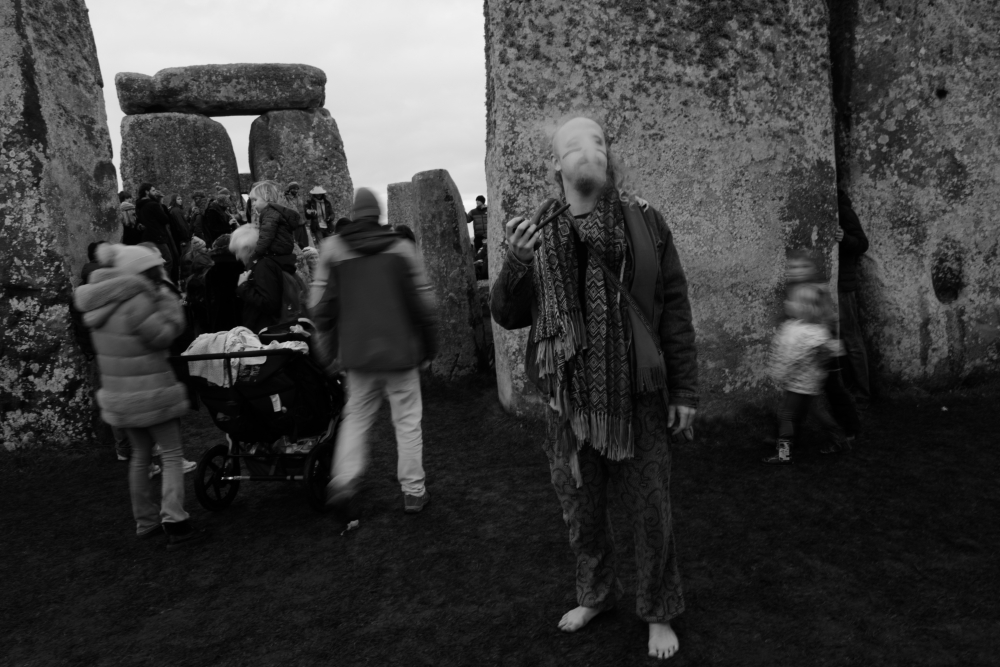
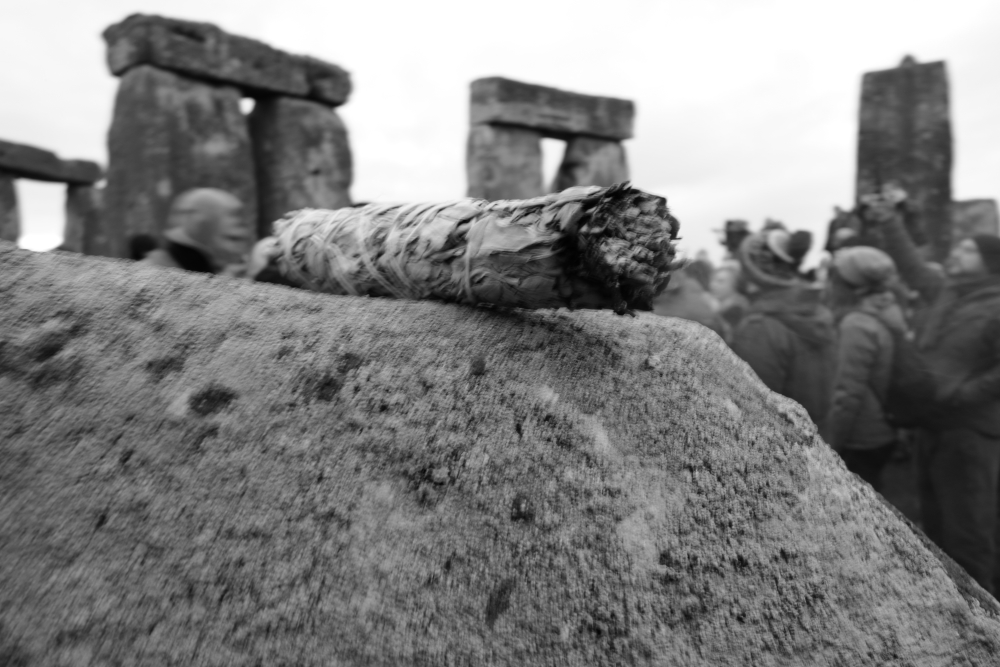
Today, people continue to gather at places like Stonehenge to witness the solstice, drawn by its connection to nature, history, and shared human experience. Whether for spiritual, cultural, or reflective reasons, the winter solstice remains a powerful reminder that even at the deepest point of darkness, the light always returns.